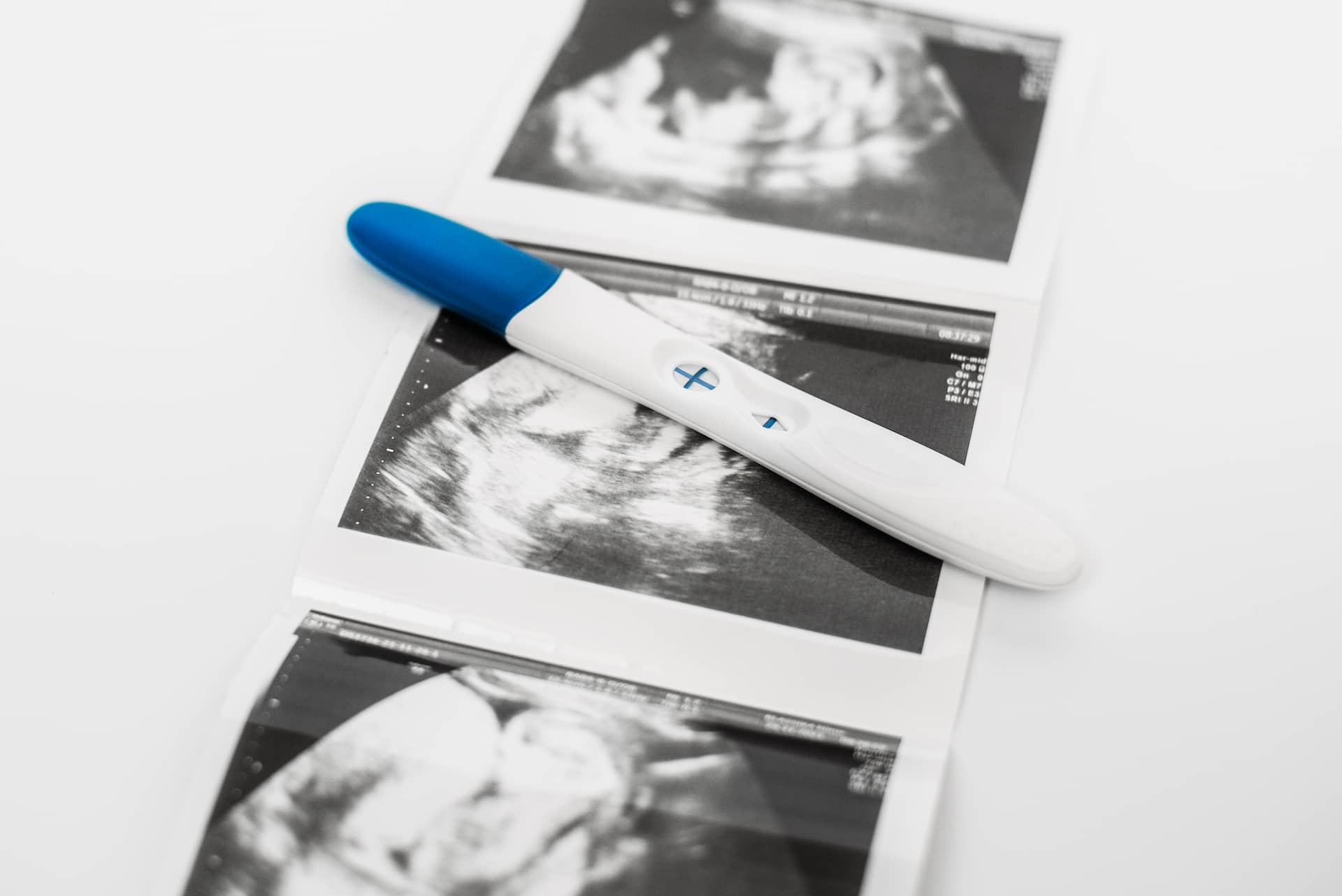
Fertility/Infertility
The Fertility and Infertility Research Program at the Center for Women’s Health and Reproductive Medicine at the University of Pennsylvania is dedicated to exploring and addressing the complex challenges of fertility and reproductive health. Our research spans a broad range of topics, from understanding the underlying causes of infertility to developing innovative treatments that can help individuals and couples achieve their dream of parenthood. Our multidisciplinary team of scientists and clinicians works together to investigate genetic, hormonal, and environmental factors that influence fertility, aiming to develop more effective and personalized solutions.
One of the key areas of our research focuses on the role of genetics and epigenetics in reproductive health. By studying the genetic factors that contribute to infertility, we aim to identify new biomarkers for diagnosis and develop targeted therapies that can improve treatment outcomes. Our researchers are also exploring how lifestyle and environmental exposures can affect reproductive health, with the goal of developing preventive strategies that can enhance fertility and overall well-being.
In addition to our laboratory research, we conduct numerous clinical trials to evaluate the safety and efficacy of new fertility treatments. These trials provide patients with access to cutting-edge therapies and help us gather crucial data that can lead to advancements in reproductive medicine. Our clinical trials encompass a wide range of interventions, from novel medications and assisted reproductive technologies to lifestyle interventions and counseling programs.
Our commitment to fertility and infertility research is driven by a desire to provide hope and support to individuals and couples facing the challenges of infertility. By advancing our understanding of reproductive health and developing innovative treatments, we aim to make a meaningful impact on the lives of those affected by fertility issues. Through our research, we strive to improve the success rates of fertility treatments, reduce the emotional and physical burden of infertility, and ultimately help more people achieve their family-building goals.
Related News

Hello world!
Welcome to WordPress. This is your first post. Edit or delete it, then start writing!

Penn Medicine receives funding to launch NAVIGATE
Penn Medicine has received funding from the HHS and Office on Women’s Health to launch NAVIGATE, a new Center of Excellence for PMOS (Polyendocrine Metabolic Ovarian Syndrome, formerly PCOS) — the most common endocrine disorder in reproductive-age women worldwide. Led by Dr. Anuja Dokras, an internationally recognized clinical and researcher in PMOS, the two-year project […]
Drs. Marisa Bartolomei & Cori Schreiber elected to National Academy of Medicine
Congratulations to Drs. Marisa Bartolomei & Cori Schreiber on their elections to the National Academy of Medicine. Election to the Academy is considered one of the highest honors in the fields of health and medicine and recognizes individuals who have demonstrated outstanding professional achievement and commitment to service. To see the full list of those […]
Dr. Kate O’Neill and the Uterus Transplant Program featured on Good Day Philadelphia
Dr. Kate O’Neill and Stephanie Collado were interviewed by Alex Holley and Karen Hepp on Good Day Philadelphia. Stephanie received a uterus transplant at Penn from a living donor and gave birth to a baby boy last year. Follow this link to watch the full interview.
Nicolas Plachta & Eric Rhon-Calderon interviewed by SSR
Dr. Nicolas Plachta & Dr. Eric Rhon-Calderon were interviewed for the latest SSR newsletter. Follow the links to read their interviews.
Eric Rhon-Calderon of the Bartolomei lab has a new paper published in JCI
Eric Rhon-Calderon of the Bartolomei lab recently had a paper published in the Journal of Clinical Investigation. The paper titled “Mouse offspring conceived by in vitro fertilization exhibit accelerated reproductive aging through premature ovarian insufficiency” was also accompanied by the editorial publication “Reproductive life after in vitro fertilization.” Both publications are linked below. https://www.jci.org/articles/view/201633 https://www.jci.org/articles/view/210577 […]
Congratulations, Natalie Brown on F30 project funding!
Natalie Brown, 5th year MD/Ph.D. student (who is going into the 3rd year of her Ph.D. in CAMB CPM) in Zolt Arany’s lab was recently awarded funding from NHLBI. Her project is centered on understanding how placental signals (hormones, proteases and extracellular vesicle cargo) reprogram the maternal heart during pregnancy. The goal is to better […]
Kristin Gerson – BWF 2026 Next Gen Pregnancy Initiative Recipient
The Burroughs Wellcome Fund (BWF) is pleased to announce the seven recipients of the 2026 Next Gen Pregnancy Initiative (NGP), a program supporting innovative research that advances understanding of pregnancy and pregnancy-related complications. The initiative invests in bold, interdisciplinary science aimed at improving outcomes for pregnant individuals and infants while deepening our understanding of the […]
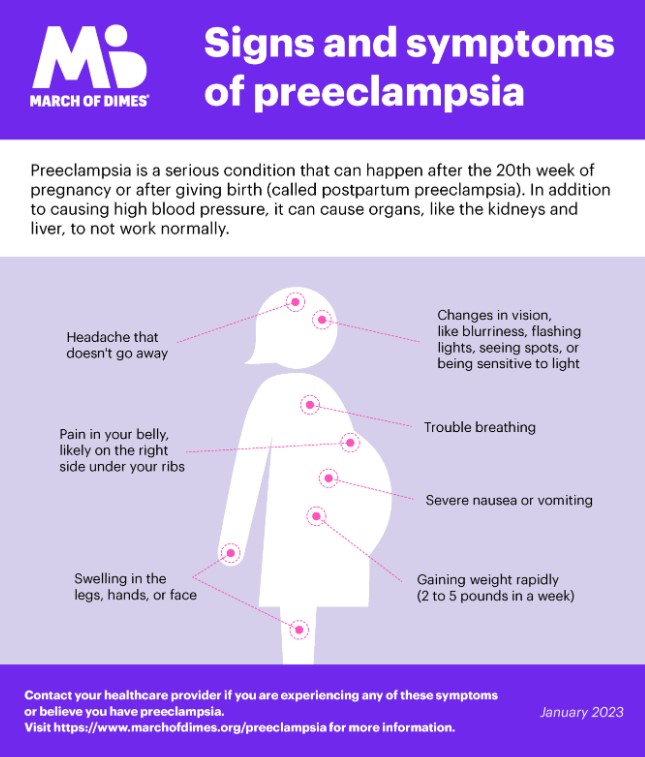
5/22 is World Preeclampsia Day
Preeclampsia is a serious condition that can happen after the 20th week of pregnancy or after giving birth (called postpartum preeclampsia). In addition to causing high blood pressure, it can cause organs like the kidneys and liver to not work normally. Preeclampsia affects about 1 in 25 pregnancies in the United States. It is a […]
Women with this condition are often misdiagnosed. Its new name could help.
A new name for polycystic ovary syndrome (PCOS) to polyendocrine metabolic ovarian syndrome (PMOS) reflects growing recognition that the condition affects far more than reproductive health. Anuja Dokras, MD PhD, director of the Penn Polycystic Ovary Syndrome Center and the Founders Professor of Obstetrics and Gynecology led the effort behind the change. Many patients experience […]